Industrial Designer
Identity
As a mechanical engineer for over 20 years, dealing with small up to mega projects in diverse engineering and project functions, I am intrinsically interested in physical and technical challenges. Being an Industrial Design enthusiast at the same time, makes me a unique combination of a designer with strong engineering capabilities and attention to stakeholders.
I am creative in finding solutions thanks to thoroughly analysing the problem statement or challenge. This can be related to the designs in my project which seem simple but at the same time well thought out, innovative and effective which matches my no-nonsense view.
Along the way, I learned that if I work hard, it pays off which manifests in increasing my aesthetic skills by cooperating with my teammates in my design projects. In these projects, I am thoroughly looking at, and analysing the problem statement or -challenge through iterations and looping back to the origin, I am working through my design process. Within this process, I have learned to combine my practical attitude with substantive scientific theories.
My strength is not to be in the spotlights but in being a reliable partner in the team who knows what needs to be done and what needs to be told, including to stakeholders. I am rather the person creating ideas than taking the leader position or telling the story, however willing to take these roles if needed, which makes me the person my team can rely on. While I prefer working in a team, working independently also suits me developing my ideas by brainstorming and consulting peers and experts.
However, I am a realist and not an activist, I believe climate change is happening too fast. I want to participate in reducing climate change by designing products that not only have a small environmental footprint during production and recycling but also during their lifetime, using little or no energy and water.
Ultimately my goal as a designer is to make user-centred design, simple, intuitive and ready for the future, not 30 years from now but closer and imaginative. As a designer, I want to create practical and largely sustainable products and to do so, a sense of speculative design is very appreciated to create awareness.
Vision
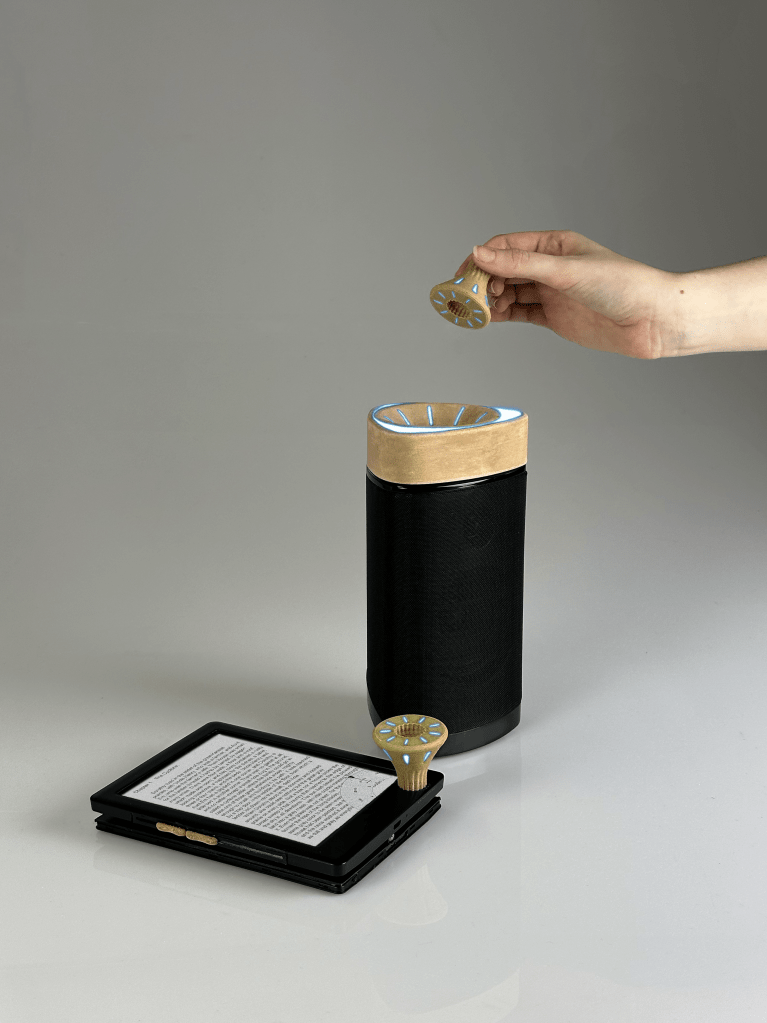
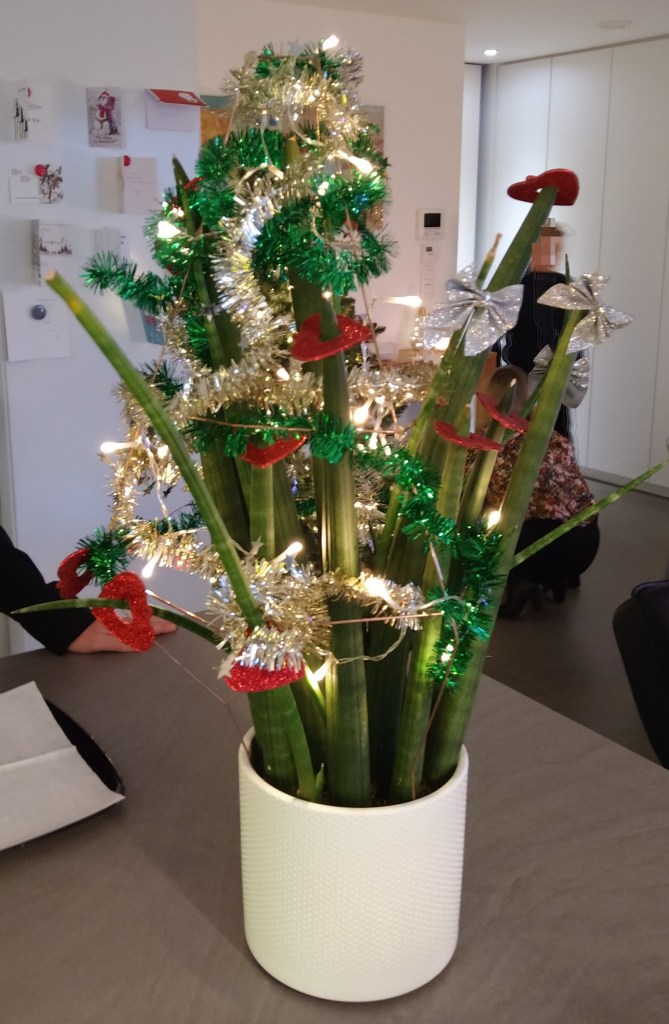
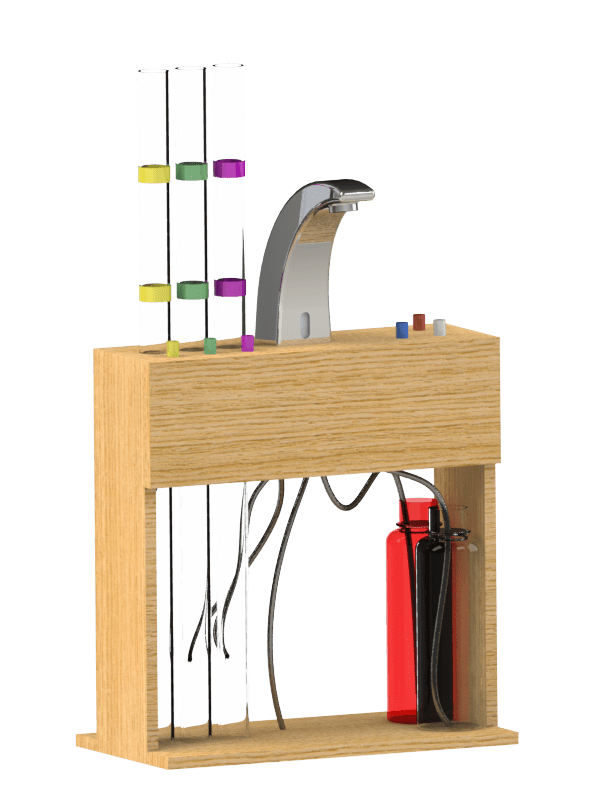
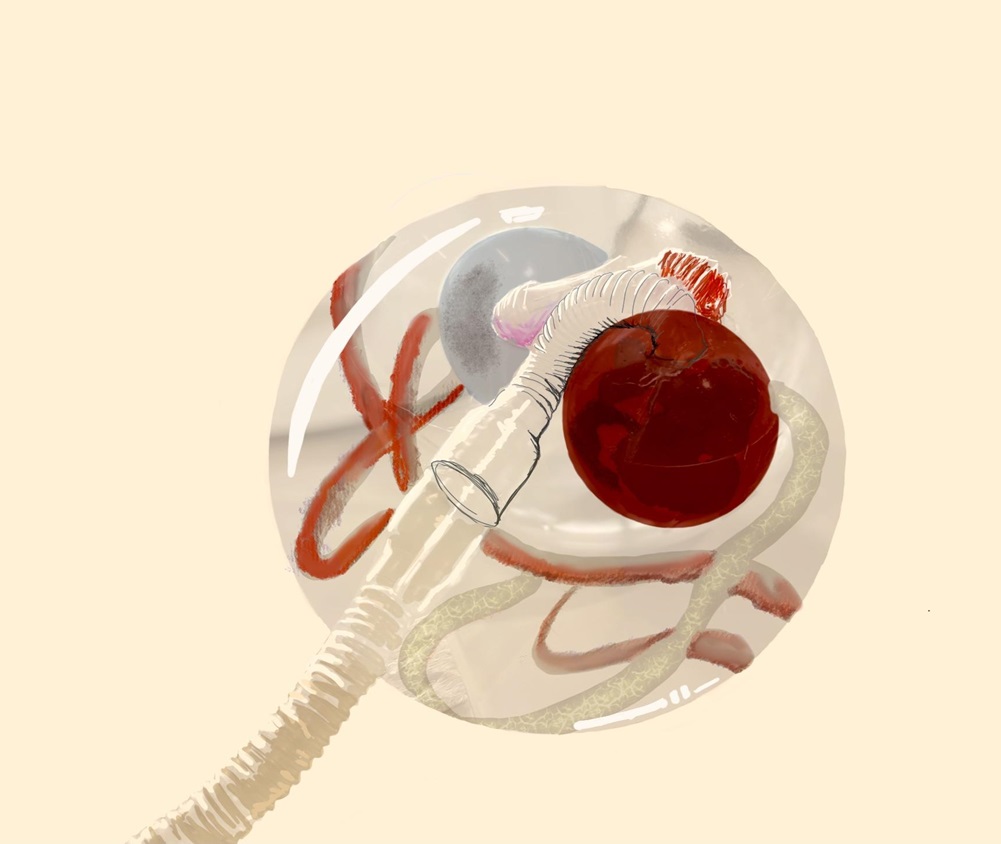
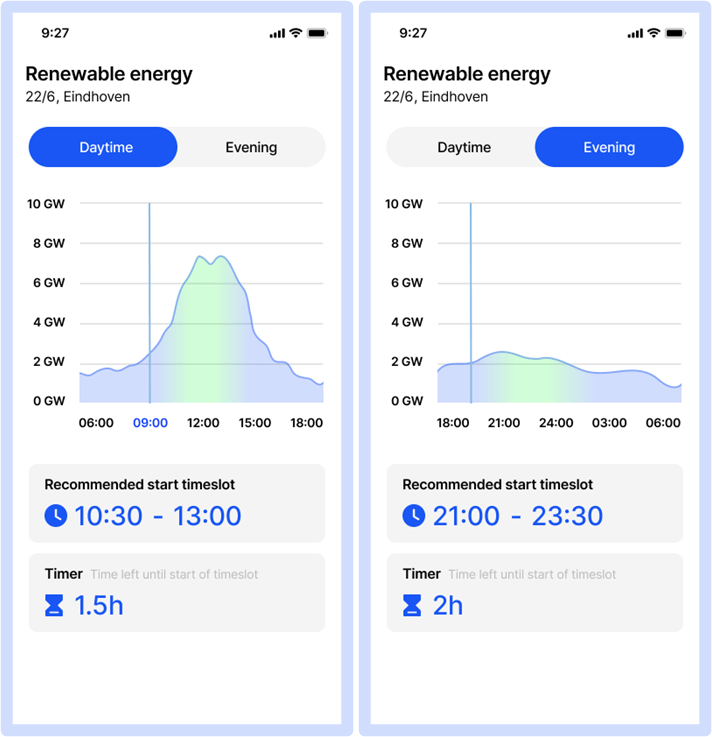
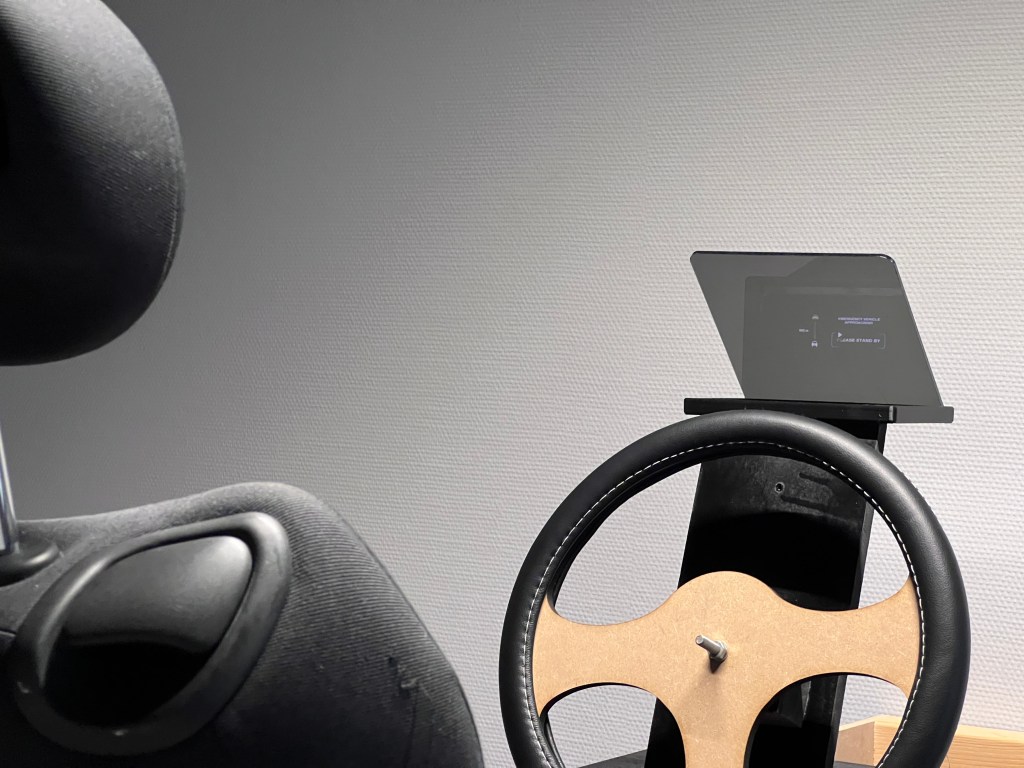
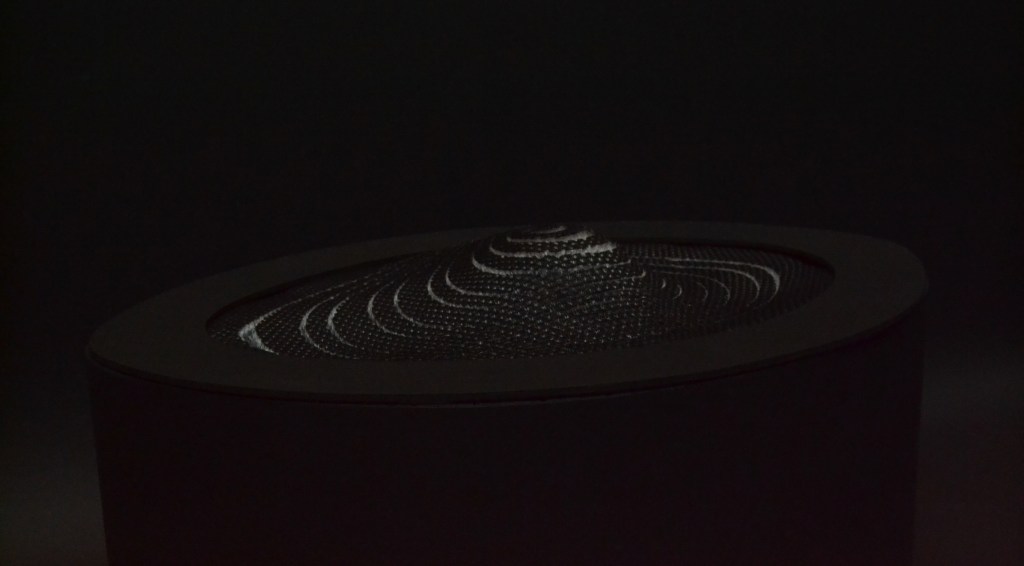
Climate change is happening and it is going too fast. This is causing the sea level to rise up in the near future . This impacts us designers in 2 ways. First, how will we deal with the consequences of the rising salty sea water and second, how can we reduce this by taking care of our environment and resources? To prevent further climate change, I want to design products that are not only produced sustainably and with recyclable or reusable materials but I want to make them sustainable during their lifetime. A small ecological footprint is only substantial when you don’t use it to spill water or energy every day. I want to create products that make it easy to be sustainable, either by using little water and energy or by creating awareness during the use of the product. Can we use the residual heat of an air-conditioning or the water you used to wash lettuce and can we make indicators to show what you are using or how well you are doing?
The world is full of connectedness over the Internet of Things and that is a good and nice thing because it saves us from a lot of trouble and can give us major opportunities in new development for an easier life. Digitalisation can also lead to solitude. Contemporary designers can make an app for every problem and that is what we do, just put an app on your mobile and it is solved. To me as a designer, an app is just an easy way out and doesn’t have meaning. Let’s create, also in the connected world, meaningful solutions you can hold, cherish and be mad at. You can’t do that with your mobile.
Why solve the symptoms of the problems? The solution will make you keep fighting the symptom over and over again, sticking plasters on the wounds, or another symptom will appear. I want to get to the root of the problems and solve them. Some problems, such as climate change, are too big for a single person or project group to handle but we can start small. I think we should address the problem by creating awareness and as designers, we can integrate awareness as a function into a design starting with the user interfaces and feedback the products can give to the user.


You must be logged in to post a comment.